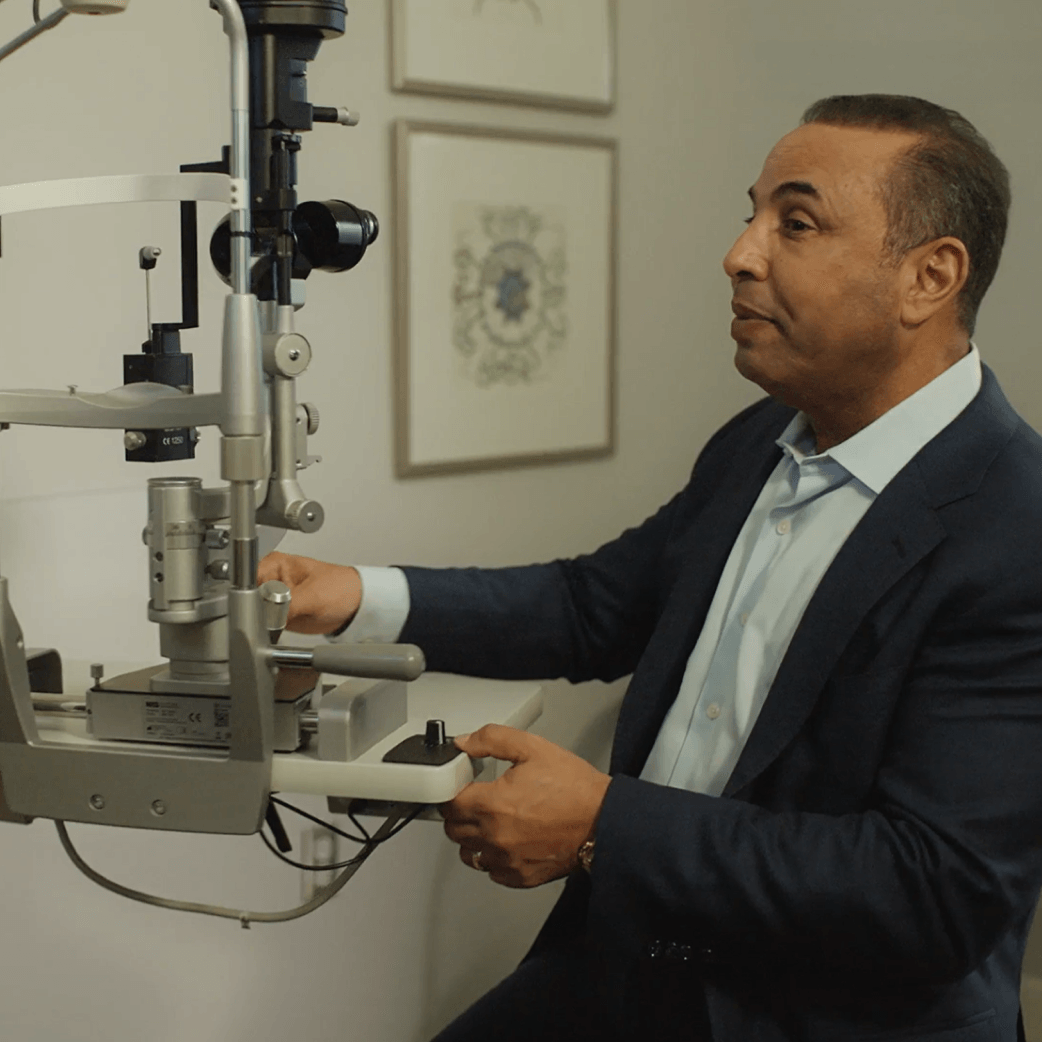
Clinicians Want AI — But Adoption and Readiness Remain Slow
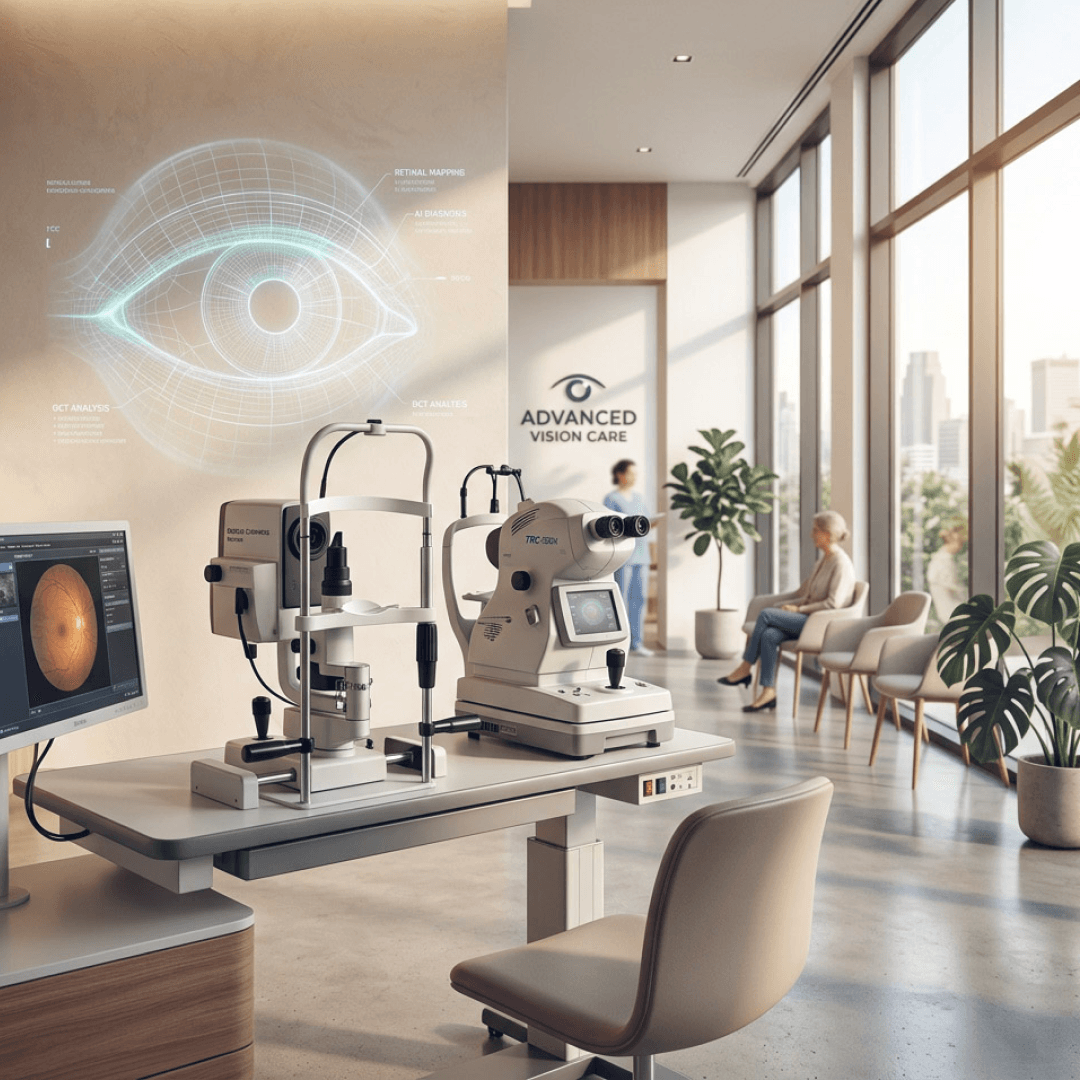
Spend time around enough ophthalmology practices and a pattern becomes clear.
Artificial intelligence is rapidly becoming part of the conversation in ophthalmology.
That part is not in question.
What is less understood is why adoption remains slow.
It is not because clinicians are resistant. Most are actively looking for ways to use AI — in diagnostics, in patient engagement, and increasingly in how their practices operate.
The interest is there.
The readiness is not.
Most clinicians see the potential. Fewer practices are structured to use it.
Ophthalmology is one of the few specialties where AI should fit naturally. We work with structured data, repeatable workflows, and measurable outcomes. Imaging alone creates a foundation that many other fields do not have.
But focusing only on diagnostics misses the larger opportunity.
The real impact of AI is not just in how we diagnose.
It is in how patients move through the practice.
From the moment a patient first encounters a practice — often online, long before they ever call or book — to the point they enter surgery, there are multiple opportunities for value to be lost.
A high-intent patient searches, clicks, reads, and drops off.
Another schedules but never shows.
Another completes a consultation but does not move forward.
Another is a strong candidate for a premium procedure, but the process never fully supports that decision.
This is not a demand problem.
It is an execution problem.
Patient acquisition is often where that breakdown begins. Most practices rely on broad, inconsistent marketing that generates activity, but not necessarily the right patients. Interest is created, but intent is not always captured or prioritized. By the time a patient reaches the practice, much of the opportunity has already been lost.
Most practices already have what they need to grow. The patient demand is there. The surgical infrastructure is in place. The clinical expertise is well established.
What is missing is a consistent operating model for how that demand is managed.
AI has the potential to bring that consistency.
It can identify and prioritize high-intent patients earlier in the process, before they ever reach the clinic. It can support more effective patient education. It can align scheduling with actual surgical capacity. It can make visible where and why patients drop out of the process.
But AI depends on structure.
And most practices are not structured for it.
Patient acquisition channels, clinical systems, scheduling platforms, and marketing tools typically operate with little continuity across the patient journey. Data is fragmented. Workflows vary from one location to another, and often from one staff member to another.
In that environment, AI becomes difficult to implement and even harder to trust.
This is where adoption slows down.
Not because the technology is unclear.
Because the operating model is not built for it.
At the same time, the environment around us is changing. Demand continues to increase. Patients are more informed and more selective. Expectations are higher. Competition is more sophisticated.
The cost of acquiring each patient is rising, which makes every missed conversion and every unused surgical slot more expensive.
The practices that adapt will not be the ones that simply add new tools.
They will be the ones that bring discipline to how the practice operates.
Clear patient pathways. Measurable conversion points. Alignment between clinical and administrative teams. Systems that work together rather than independently.
That is what allows AI to be effective.
Because the opportunity is already inside most practices.
Unused surgical capacity. Inconsistent conversion. Underutilization of advanced procedures.
These are not small inefficiencies.
They define the difference between a practice that grows predictably and one that does not.
AI does not create that opportunity.
It exposes it — and, for the first time, allows it to be addressed systematically.
The question is no longer whether clinicians want AI.
They do.
The question is whether the practice is ready to capture demand effectively — from first interaction through surgery.