Redefining “Best Technology” in Vision Care

“Best technology” carries weight in vision care.
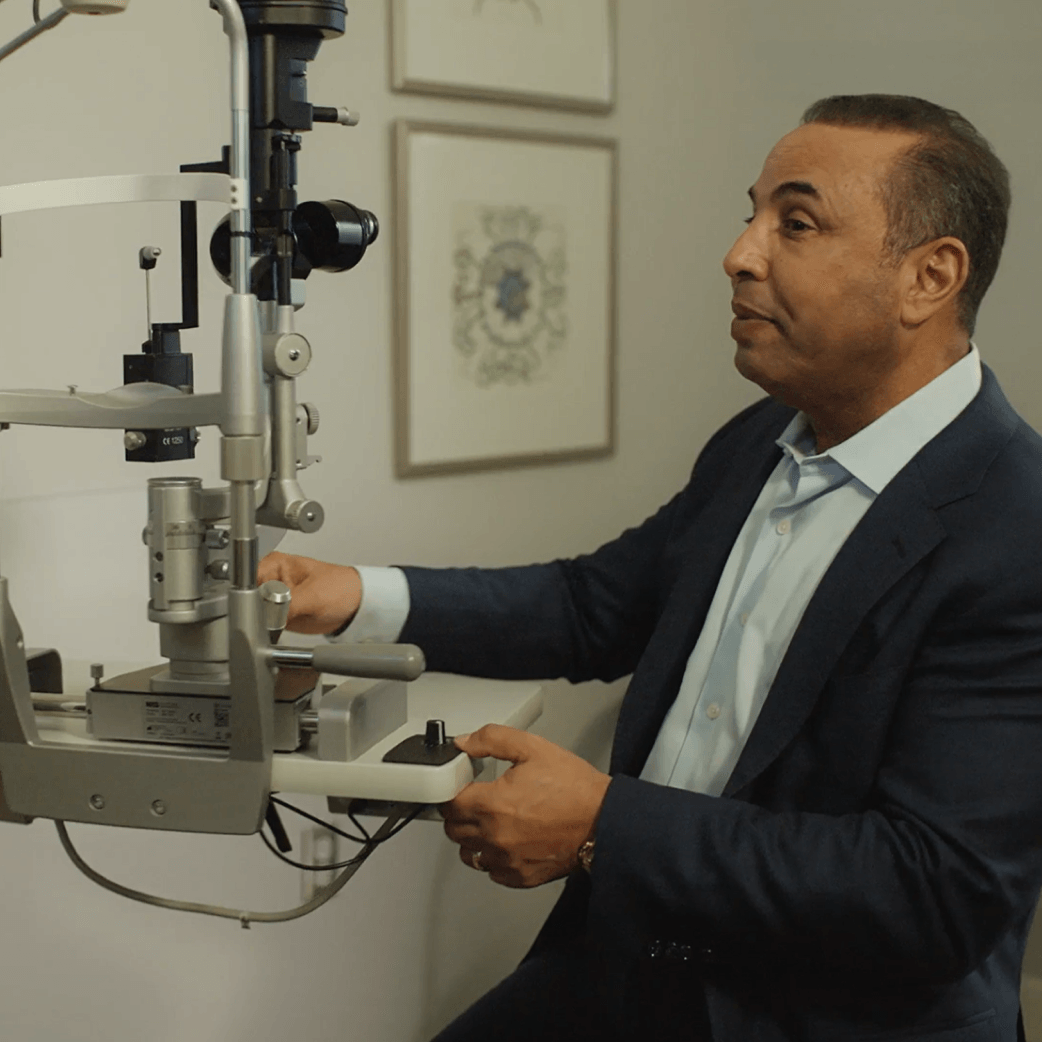
Femtosecond lasers. Excimer platforms. Eye tracking. Astigmatism alignment systems. Each advancement improves precision. Each becomes part of how practices are evaluated.
Technology shapes the conditions for a strong outcome. What determines the result is how it's used.
Before any procedure, there’s a decision. Who is a strong candidate. What approach fits. What risks need to be managed. That decision shapes everything that follows.
During the procedure, precision matters. The technology performs as expected. The surgeon guides the details in real time.
After the procedure, the outcome continues to take shape. Healing, follow-up, and patient guidance all influence the final result. That sequence is consistent across practices. What varies is how well it’s executed.
Technology is the easiest part to replicate. It can be purchased, installed, and deployed across locations. Judgment is harder to transfer. Planning is harder to standardize. Follow-through requires consistency across teams.
That’s where performance separates over time. Practices with strong outcomes tend to align those elements. The technology supports a clear plan. The plan reflects careful patient selection. The experience holds steady from consultation through recovery.
As practices scale, data and AI are beginning to play a role in reinforcing that consistency — helping ensure the right patients are coming in and evaluated, how follow-up is managed, and how variation is identified before it impacts outcomes.
That alignment has real implications as practices grow. New locations introduce variation. Teams expand. Volume increases. Small differences in how patients are evaluated, prepared, and guided start to compound. Over time, that can show up in outcomes, patient experience, and overall performance across locations.
The real challenge is maintaining consistency in how that technology is applied. That requires clarity in how decisions are made and discipline in how care is delivered.
Clear expectations around candidacy.
Consistency in how procedures are planned.
Alignment in how recovery is managed.
Those elements help ensure that patients receive the same level of care, regardless of where they enter the practice.
This is where structure begins to matter. The strongest groups in this category tend to reinforce how work gets done across locations without interrupting clinical leadership. Surgeons continue to guide decisions at the patient level. At the same time, the broader practice maintains consistency in how patients move through consultation, procedure, and recovery.
That balance supports growth while protecting outcomes. And this is exactly where Altivera Vision is focused— not replacing clinical judgment, but strengthening the systems around it so that consistency can scale with the organization. The model centers on surgeon-led care, supported by advanced technology, with clear expectations around how decisions are made and how patients are guided from first consultation through recovery.
The goal is consistency in execution as the footprint expands. Because over time, the advantage does not come from having access to better tools. It comes from applying them with the same level of precision, across every patient, in every location.
That's what keeps outcomes steady and what builds something durable over time.