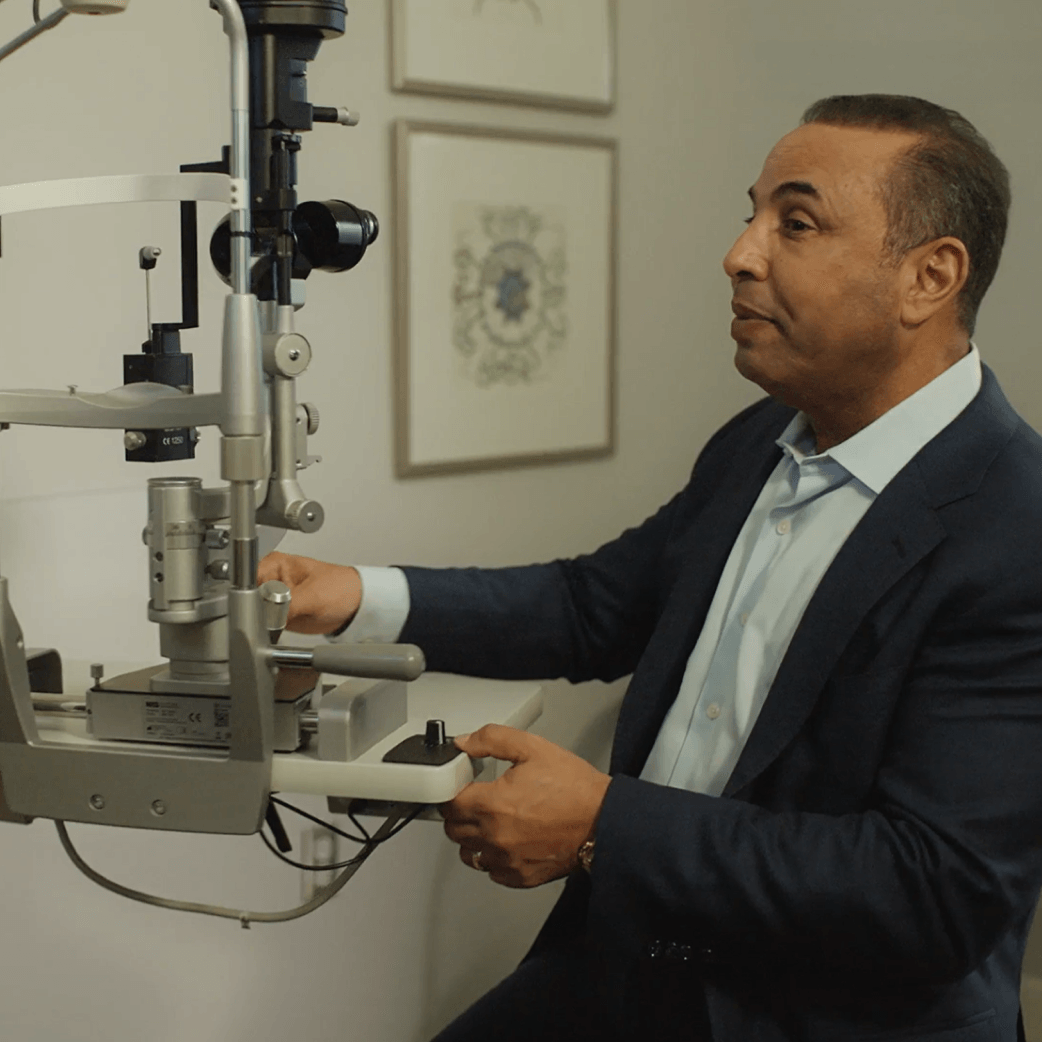
Q&A with Altivera Vision CEO, Dr. Jeff Machat
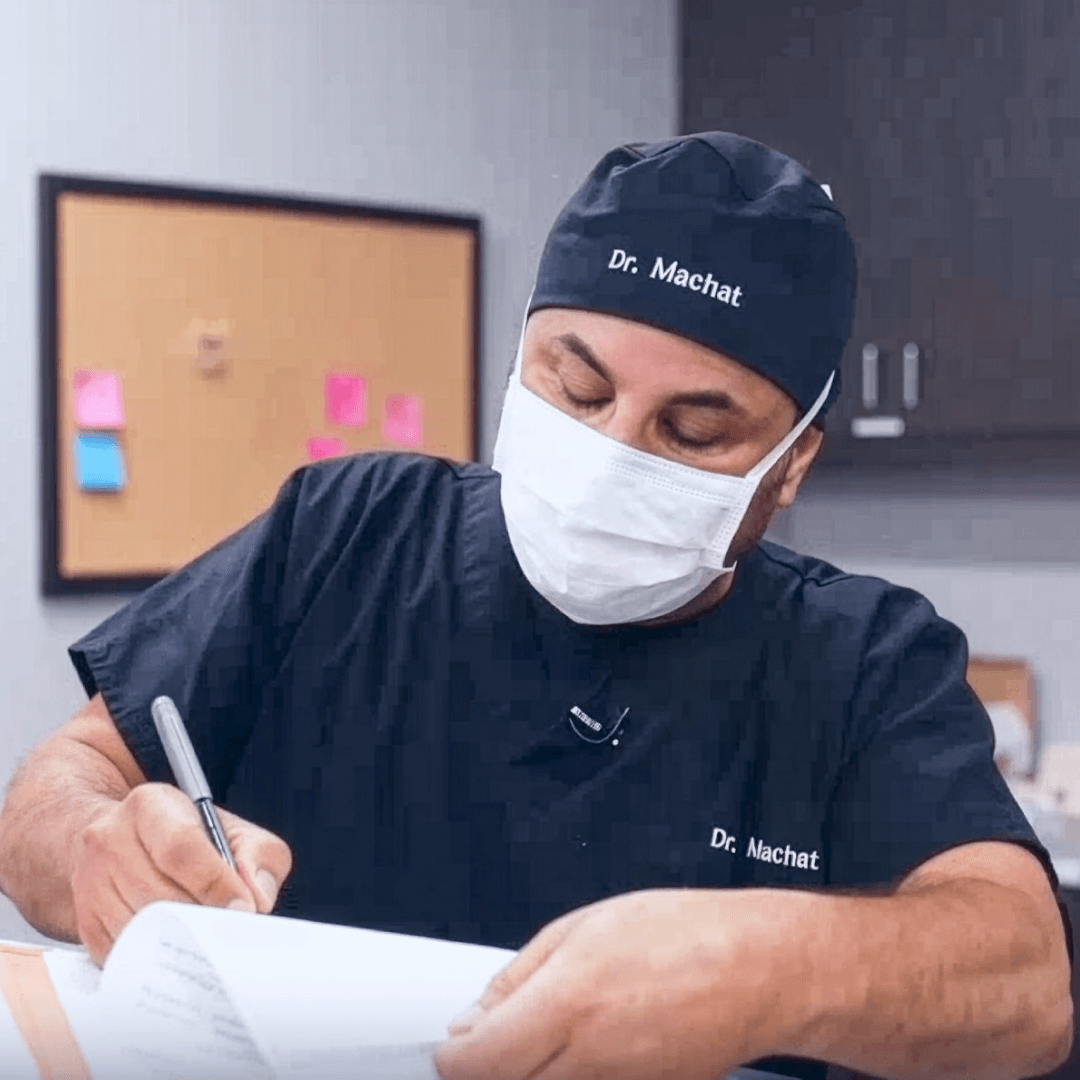
Q: You’ve spent decades building in vision care. When you look at this category today, what do most people misunderstand about what makes a practice valuable?
Dr. Jeff Machat: A lot of people look at technology first. Or they look at procedure counts. Those things matter, but they don’t tell the whole story. The long-term value of a vision care practice comes from clinical judgment, patient trust, and the ability to deliver a consistent experience over time. That starts with the surgeon, but it extends into how the practice evaluates patients, sets expectations, manages follow-through, and maintains standards as it grows. That’s where a lot of the real value sits.
Q: You’ve said before that experience is more than volume. What do you mean by that?
Dr. Jeff Machat: Volume shows repetition. It tells you a surgeon has seen a lot of cases. That has value. What matters just as much is how that experience shapes decision-making. Who should move forward? Who should wait? Which approach fits the patient? Where risk needs to be recognized early. How expectations should be set. That’s the part that protects outcomes. It also plays a major role in reputation over time.
Q: Why does that matter so much in a multi-location growth model?
Dr. Jeff Machat: Because as a practice expands, complexity expands with it. More locations means more people, more handoffs, more scheduling pressure, and more variation in how patients move through the practice. A lot can drift as that happens. The challenge is keeping the standard high as the footprint grows. That’s where discipline matters. The patient should feel the same level of clarity, care, and professionalism at every location. The surgeon’s role stays central, but the surrounding experience has to hold together as the organization gets bigger.
Q: Where does technology fit into that equation?
Dr. Jeff Machat: Technology is important. It improves precision and helps surgeons perform at a very high level. But technology is a tool. The outcome still depends on who is using it, how the case is planned, and how the patient is managed before and after the procedure.
From a business standpoint, technology can be purchased. That part is relatively straightforward. The harder part is maintaining the level of judgment and disciplined execution that allows the technology to be used well across a growing organization. That’s where stronger practices separate themselves over time.
Q: So when you think about Altivera Vision, what are you building?
Dr. Jeff Machat: We’re building around a simple idea: keep clinical leadership close to the patient while raising the operating standard across the broader organization. That means preserving the authority and trust that already exist at the local level. It also means improving how growth is supported across locations, from patient acquisition and scheduling to consultation flow, follow-through, and consistency. That combination matters. It allows expansion while protecting the quality of the patient experience and the integrity of the clinical work.
Q: Why is that model relevant now?
Dr. Jeff Machat: Because vision care is at an interesting point. Demand is there. The procedures are proven. The technology continues to improve. What becomes more important now is execution. How practices grow. How standards are maintained. How the patient experience holds up as scale is added. That creates an opportunity for platforms that understand both sides of the equation. The clinical side has to stay strong, and the business side has to become more disciplined. When those two things move together, you create something much more durable.
Q: What do founders and investors tend to miss in this space?
Dr. Jeff Machat: They sometimes underestimate how much trust drives the economics. In vision care, trust influences conversion. It influences referrals. It influences reputation in the market. It influences whether a patient feels ready to move forward. That trust is shaped by the surgeon, but it’s also shaped by the consistency of the overall experience. If you want to build real long-term value in this category, that part has to be taken seriously.
Q: What gives you confidence in the Altivera Vision approach?
Dr. Jeff Machat: I’ve spent my career in this field. I’ve seen what supports strong outcomes, and I’ve seen what creates lasting practices. The strongest organizations keep the clinical standard high and build real discipline around the business supporting it. That’s the direction we’re taking here. And I believe that approach has room to scale.